
Green Schoolyards
What Is a Green Schoolyard?
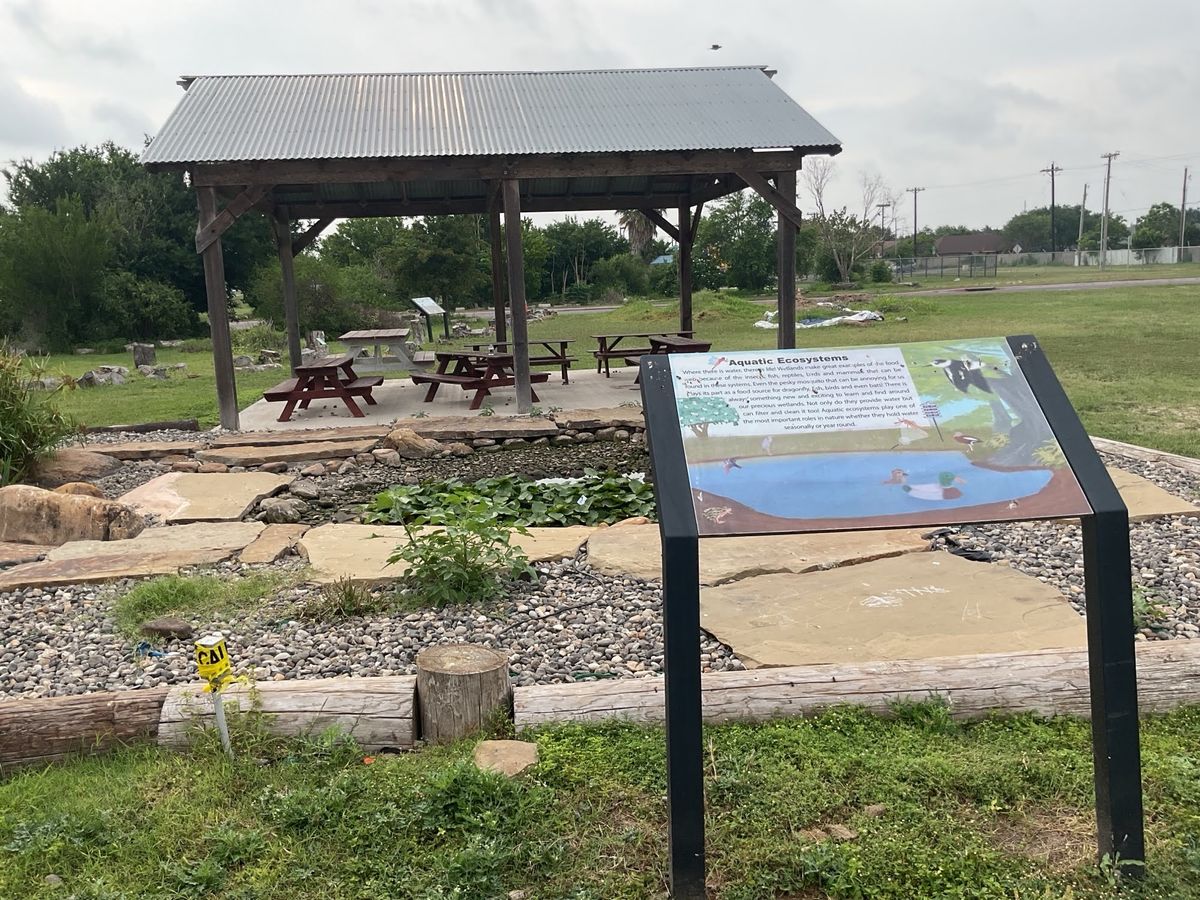
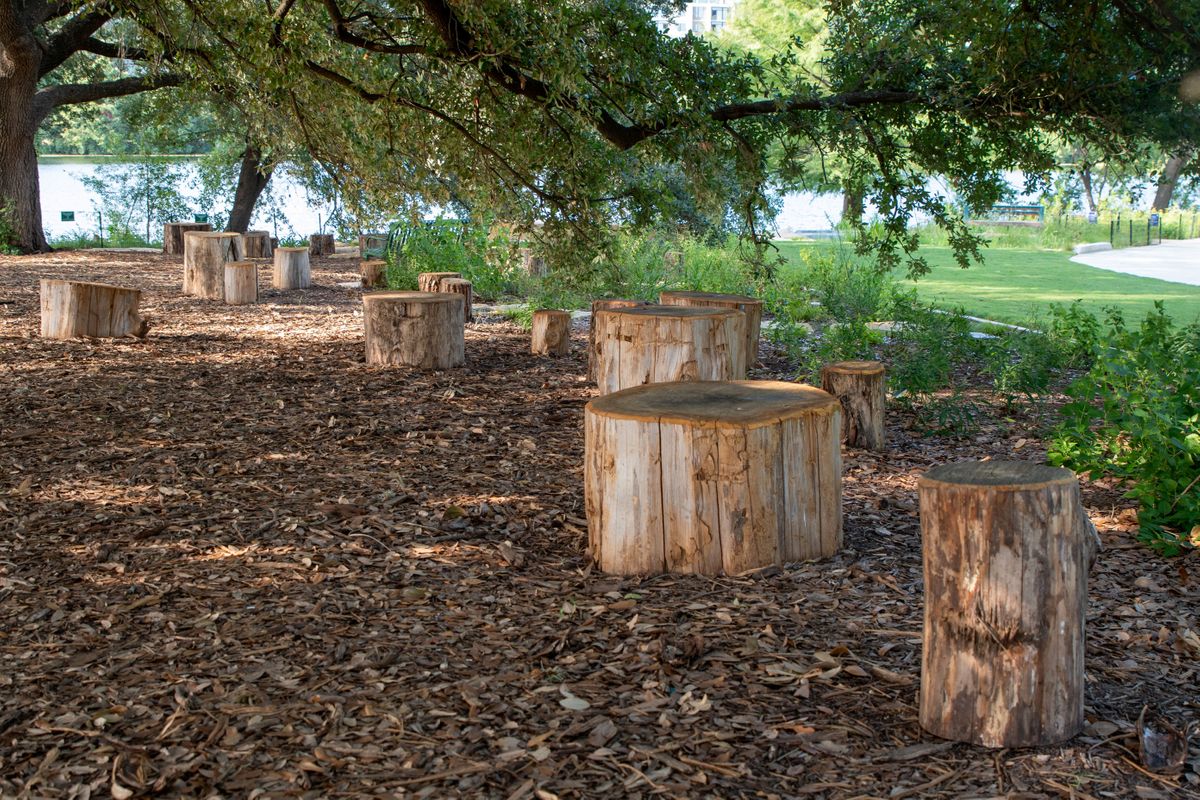
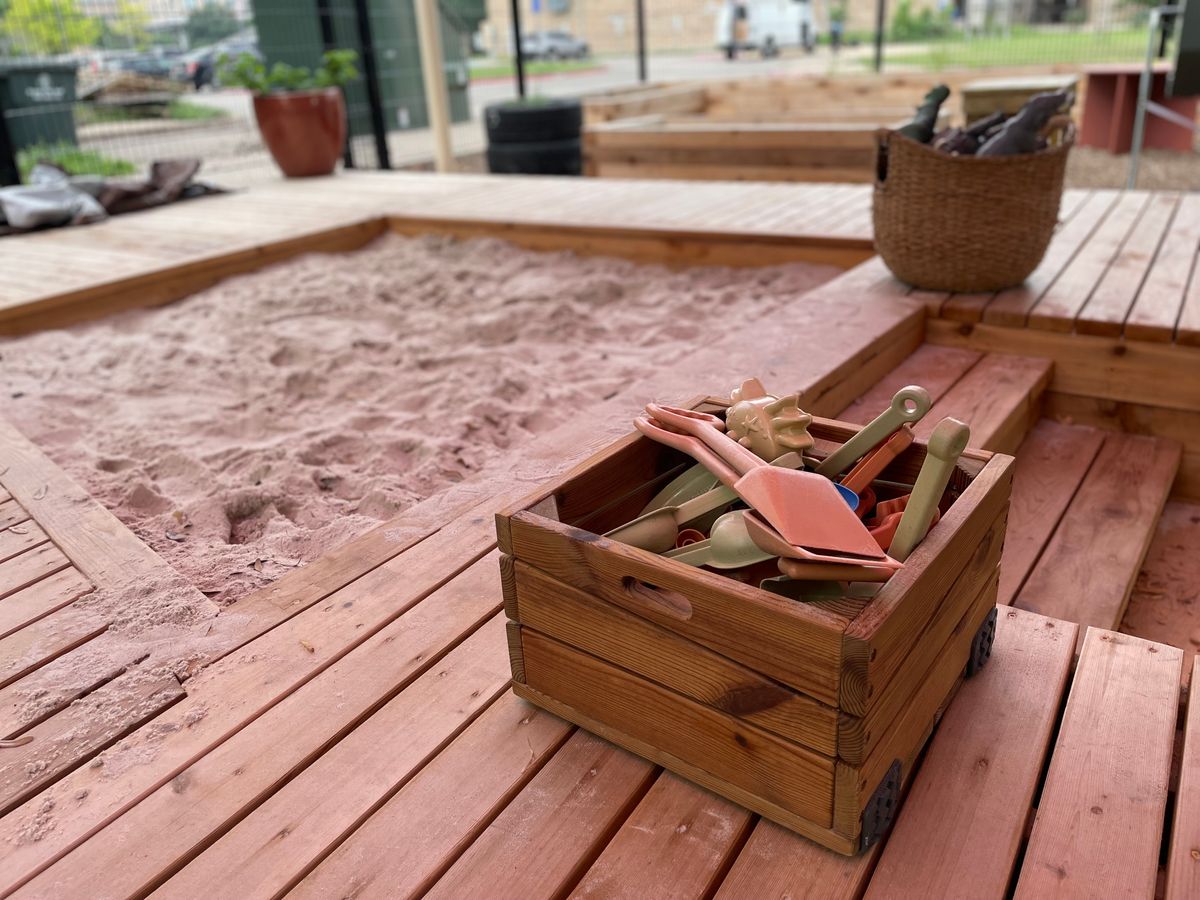
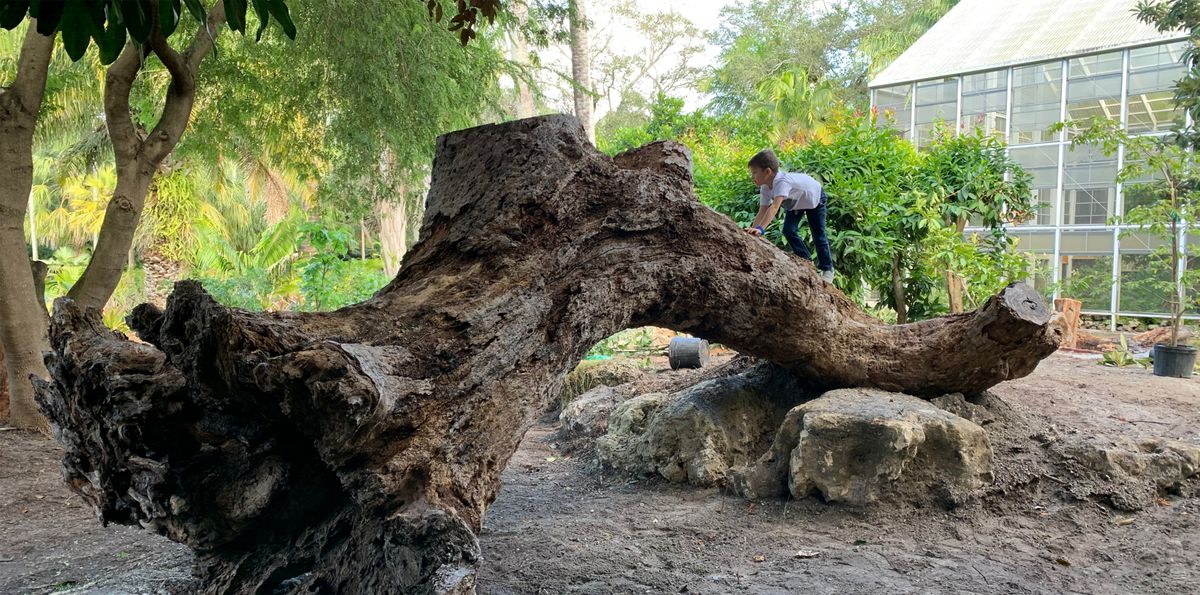
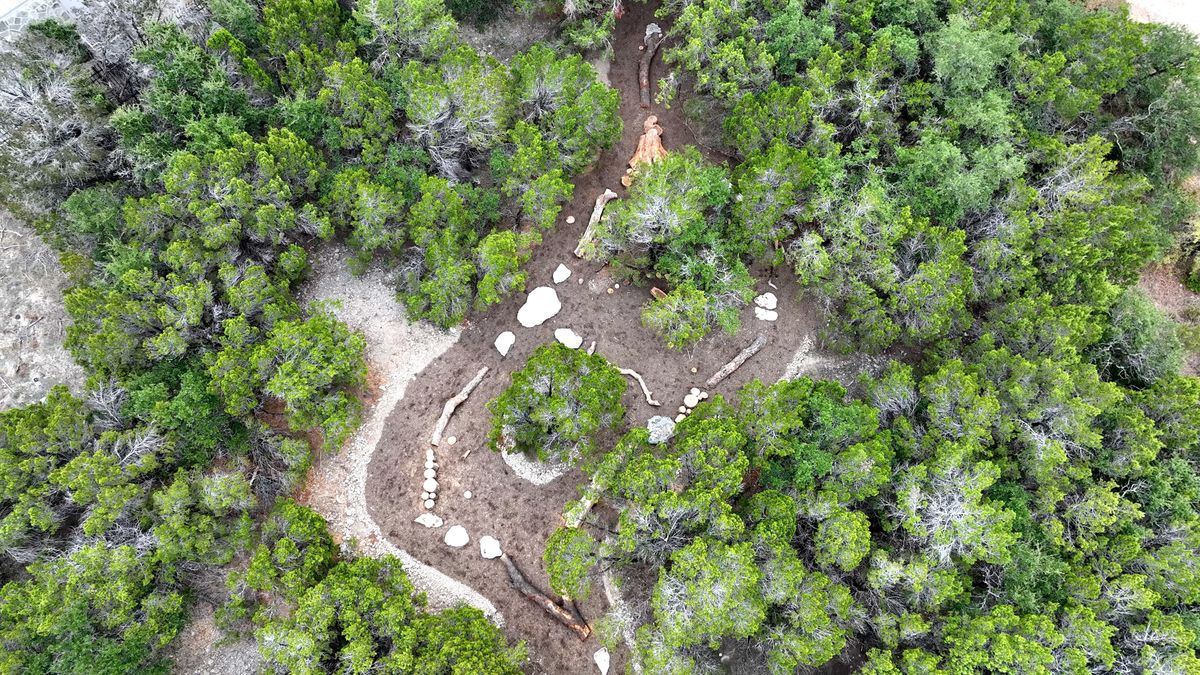
A Green Schoolyard is a school campus intentionally designed to bring nature, shade, and outdoor learning into the daily experience of every student. In Texas, this means transforming paved or barren areas into vibrant, shaded, nature‑rich spaces that support play, learning, health, and climate resilience.
A Texas Green Schoolyard typically includes:
Native and drought‑tolerant plants
Shade trees and cooling features
Outdoor classrooms and learning stations
Pollinator and wildlife habitats
Gardens, trails, and sensory spaces
Green stormwater features that reduce flooding
Community‑accessible spaces outside school hours
Green Schoolyards help students learn better, feel better, and stay safer in extreme heat — while strengthening connections between schools, families, and neighborhoods.
Why Green Schoolyards Matter in Texas
Texas faces some of the nation’s most intense challenges related to heat, flooding, and access to nature. Many schoolyards are dominated by asphalt and lack shade, creating unsafe outdoor conditions for students and staff.
Green Schoolyards directly address these challenges by:
Reducing extreme heat through shade and vegetation
Improving student well‑being with daily access to nature
Supporting academic achievement through outdoor learning
Managing stormwater and reducing localized flooding
Expanding access to green space in park‑deficit communities
Strengthening community resilience during climate events
By transforming schoolyards, Texas schools can create healthier, safer, and more equitable environments for all students.
How Schools Can Participate
Schools and districts can join the Green Schoolyards movement through a guided, collaborative process:
Step 1 — Explore Interest
Review the Green Schoolyards Starter Kit and share it with campus and district leadership.
Step 2 — Complete the Readiness Checklist
Assess your campus’s needs, goals, and capacity.
Step 3 — Join a Cohort or Request Support
Participate in a regional cohort or request technical assistance from Texas Children in Nature Network and partners.
Step 4 — Engage Your Community
Work with students, families, teachers, and local partners to co‑design your schoolyard.
Step 5 — Plan, Fund, and Build
Develop a phased plan, identify funding sources, and begin implementation.
Texas Green Schoolyard Case Studies
- San Antonio ISD – Pershing Elementary
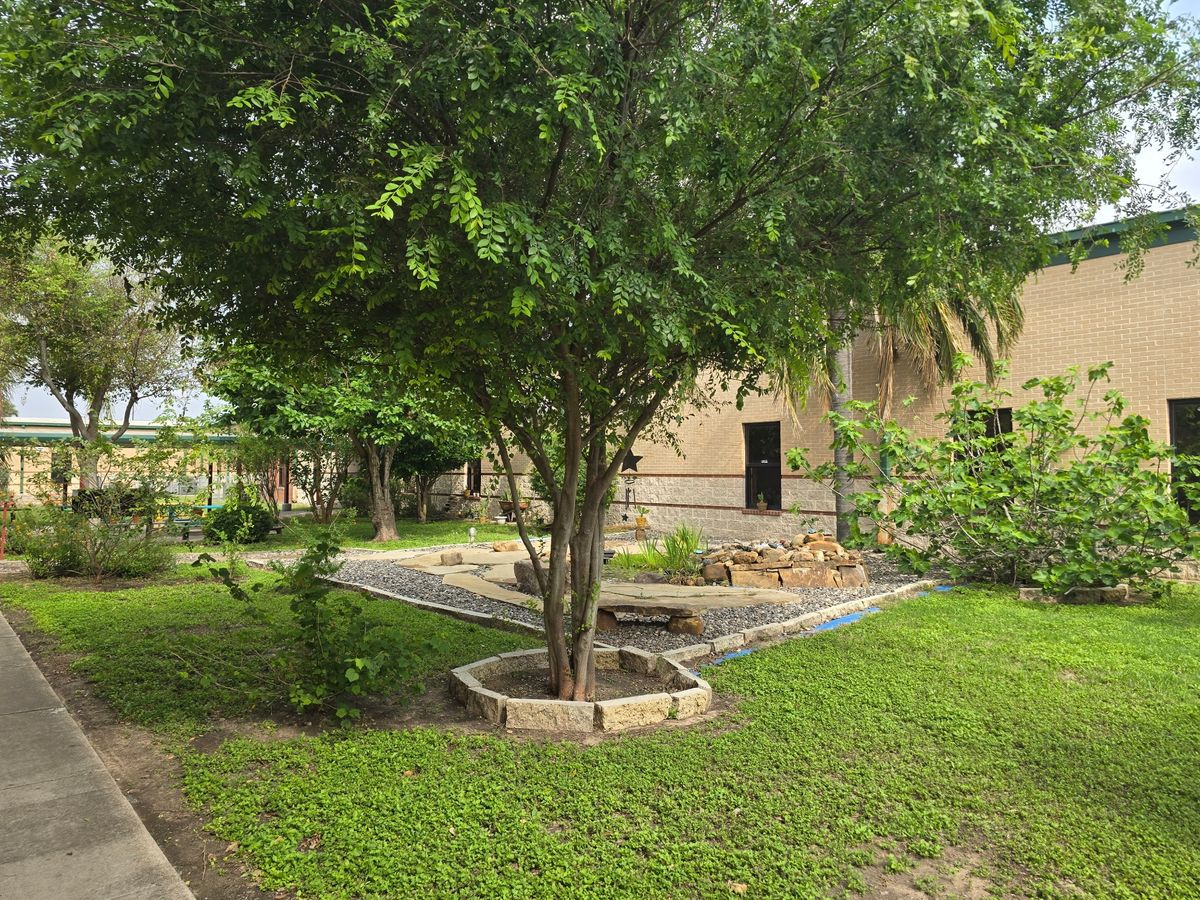
- A once‑barren courtyard was transformed into a shaded outdoor classroom with native plants, pollinator habitat, and student‑designed learning stations. Teachers now use the space weekly for science, reading, and SEL activities.
- Austin – Community Partnership Model
- A collaboration between the City of Austin, UT Austin, and local nonprofits resulted in a multi‑functional schoolyard that doubles as a neighborhood park after hours. The project increased tree canopy by 40% and reduced surface temperatures by up to 15°F.
- Rio Grande Valley – Nature‑Based Learning Pilot
- Schools in the RGV are integrating native plants, shade structures, and outdoor learning areas to address extreme heat and expand access to nature in historically underserved communities.


Green Schoolyards Build in San Antonio with H-E-B and Unilever
In the fall of 2024 Texas Children in Nature Network Partnered with H-E-B and Unilever to build an outdoor play and learning area at Sarah King Elementary in San Antonio ISD.
To partner with Texas Children in Nature Network on a playground build contact Sarah
University of Texas Austin Partnership
In 2024 and 2025 Texas Children in Nature Network has partnered with the UT Austin School of Architecture on Green Schoolyards Work. Below are some resources created by Janice Hagerman as part of her Master's program
Bienenstock Natural Playgrounds
Texas Children in Nature Network often partners with Bienenstock Playgrounds for playground builds across the state. At our 2025 Summit Bienenstock shared the following resources. https://www.bienenstockplaygrounds.com/children-nature-network-conference-2024/